CAC Episode 6: How to Respond To Water Bankruptcy?
Completed
Overview
Water scarcity is no longer the only challenge. According to a recent report by the United Nations University Institute for Water, Environment and Health, the world has entered an era of “water bankruptcy”, a state where water use has exceeded sustainable limits.
The sixth episode of the Climate Action Conversations Series examined how the concept of water bankruptcy differs from traditional understandings of water crisis. The session brought together leading experts and practitioners to address the drivers and consequences of water bankruptcy — from water quality degradation to climate resilience failures and environmental injustice.
Anchored in the 2030 Agenda and its Sustainable Development Goals, the webinar highlighted practical, technical, and governance responses to advance sustainable water management across diverse contexts — from arid regions to urban watersheds.
Watch the full webinar recording and revisit the key discussions below
Insights and Impact
The discussion brought together diverse perspectives from [sectors represented], on the emerging concept of water bankruptcy and its implications for climate resilience, water governance, and sustainable development. Throughout the session, speakers highlighted the interconnected challenges of water scarcity, water quality degradation, environmental justice, adaptive governance, and transboundary cooperation.
Resources
To extend the value of the discussion beyond the webinar, GEAF has developed a companion booklet that captures the key insights, recommendations, and perspectives shared by the speakers. Whether you attended the webinar or are exploring the topic for the first time, the booklet serves as a valuable resource for students, practitioners, policymakers, researchers, and all those interested in advancing sustainable water management and climate resilience.
Speakers
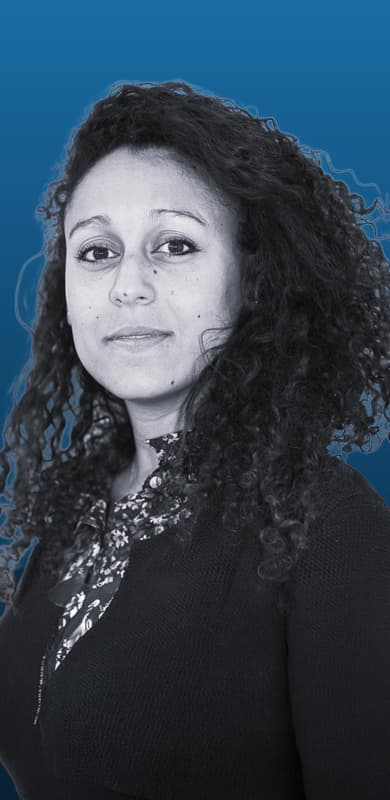
Diane Guerrier
Environmental Affairs Officer, UN Water Convention secretariat, UNECE
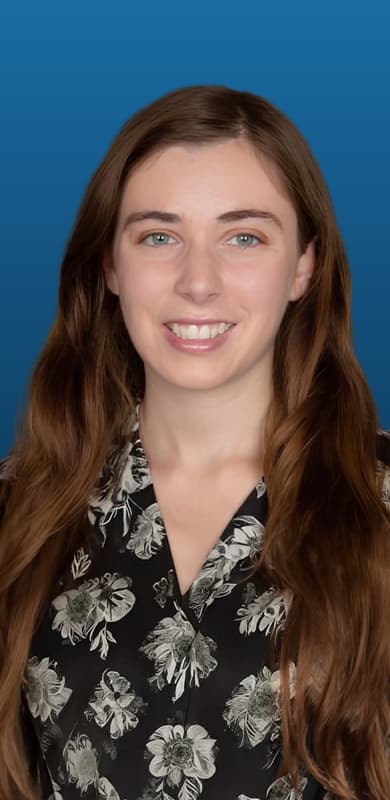
Emily Kroft
Policy Advisor, IISD (International Institute for Sustainable Development)

Erik A. Schnetzler
Project Manager, Geneva Water Hub
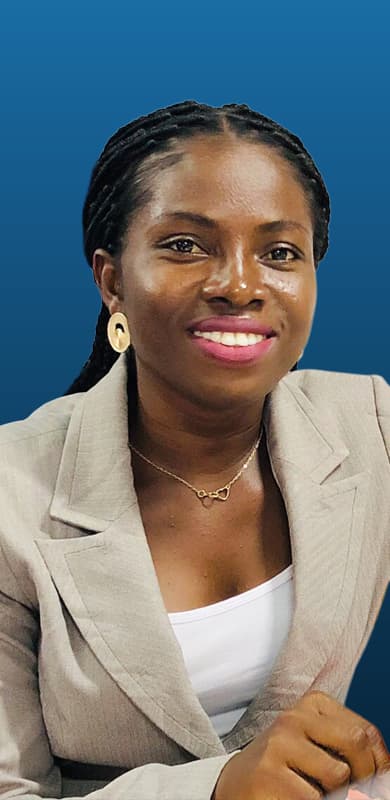
Sarah Okorno
Water and Climate Adaptation Professional

Silvia Cardascia
PhD Fellow, University of Strasbourg
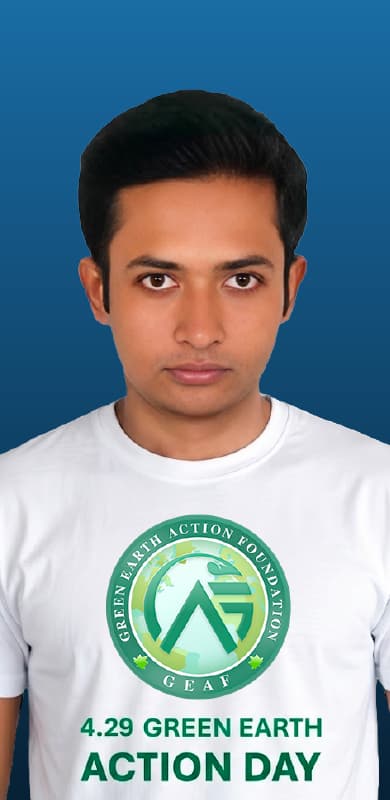
Tapas Kumar Mollick
Founder & Executive Director of SESDO (Social & Environmental Sustainable Development Organization) and GEAF Ambassador