Aug 23, 2026
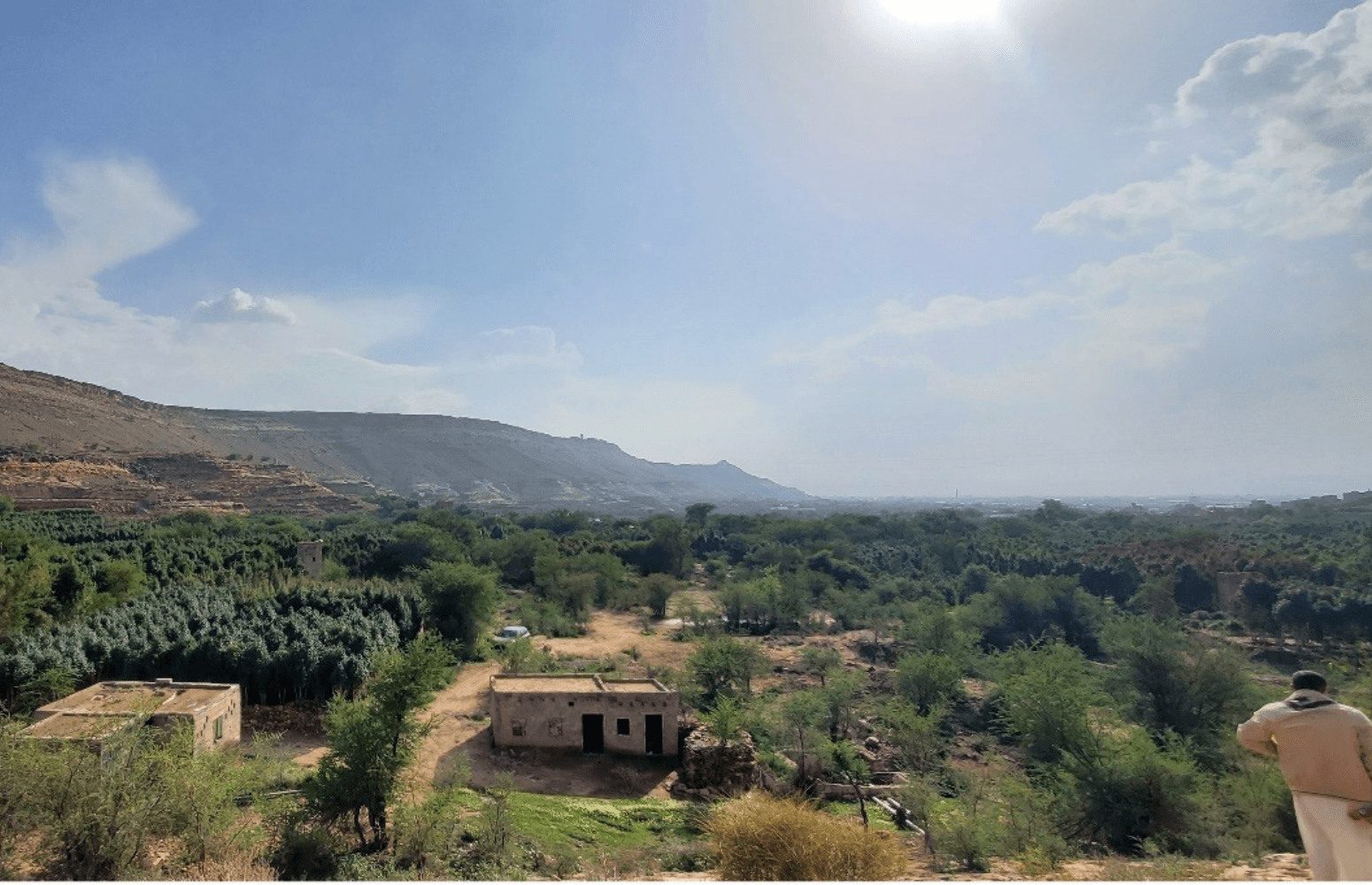
Save Every Drop Challenge - Water conservation practices from, Lake Tana, UNESCO Biosphere Reserve in Amhara region, Ethiopia
GEAF
Aug 27, 2026
2 min read
GEAF Ambassador Gashaw Addisie, shares insights from community-led initiatives ensuring lasting conservation and ecosystem protection
What practices have local community members adopted to help safeguard Lake Tana from pollution and seasonal environmental challenges?
To protect Lake Tana from siltation, agricultural runoff, and seasonal water scarcity, local community members have shifted toward sustainable wetland and catchment management. Communities surrounding the lake have designated vegetative buffer zones along vulnerable shoreline areas and seasonal tributaries to filter runoff and reduce soil erosion. Farmers are increasingly limiting drainage of natural wetlands, recognizing their critical role as natural water filters and sponges during dry spells. Additionally, community members actively participate in restoring degraded headwaters through the planting of indigenous vegetation, which stabilizes riverbanks, preserves freshwater inflows, and maintains natural hydrologic cycles essential for both ecosystem health and local livelihoods.
What practices has the Participatory Forest Management Committee introduced to address local water-related issues and strengthen long-term conservation?
Following the planting of native seedlings during the 4.29 Green Earth Action Day, the newly established PFM Committee introduced two vital mechanisms to ensure long-term sustainability:
- Enforcing Traditional & Legal Bylaws: The committee established clear, community-agreed rules with defined penalties such as fines or community service for illegal tree cutting, unseasonable grazing, and wetland draining. Committee members regularly communicate with local herders (እረኛ) to ensure livestock are kept away from newly restored wetland buffers and young saplings.
- Rotational Monitoring & Community Patrols: To safeguard water catchments, households take regular patrol shifts to monitor reforested areas. This community-led surveillance protects growing trees and fragile watersheds from livestock encroachment and illegal resource extraction, building true local ownership over water conservation.
What message would you like to share with people around the world about protecting water resources and taking action in their own communities?
Real, lasting water conservation begins when communities take direct ownership of their local ecosystems. Top-down policies only succeed when matched by bottom-up stewardship. Whether you are protecting a major freshwater lake or a small neighborhood stream, meaningful change relies on establishing everyday accountability, clear community rules, and collective action. Protecting water isn't a one-time event, it requires daily dedication, intergenerational responsibility, and local empowerment. Every sapling protected, every shoreline restored, and every drop saved contributes directly to global water security. Start small in your own watershed, involve your community, and turn environmental commitment into a lasting culture.
Share
Related Posts
Aug 20, 2026
Coastal community members in Gabura Union, Bangladesh, are taking steps to conserve and strengthen their ecosystems, to adapt to growing climate challenges.