Aug 27, 2026
GEAF Ambassador Gashaw Addisie, shares insights from community-led initiatives ensuring lasting conservation and ecosystem protection

Green Earth Action Foundation
© 2026 All rights reserved by Green Earth Action Foundation
GEAF
Aug 23, 2026
3 min read
In the mountainous regions of Yemen, traditional water conservation relies on an integrated, multi-tiered ecosystem consisting of permeable check dams (Hawajiz), traditional stone cisterns (Birkah), and rooftop rainwater harvesting.
Local communities build targeted check dams using concrete retaining walls paired with natural, unpaved earthen beds. This intentional design allows heavy seasonal runoff to settle and gradually percolate deep into the ground, directly recharging shallow aquifers and village wells. On a household level, this traditional wisdom extends to Rooftop Rainwater Harvesting, where rainwater is channelled directly from house roofs using sloped piping into individual storage tanks.
Complementing these are centuries-old community cisterns (Birkah), which store surface water for non-potable community needs. Together, these decentralized practices capture every drop of rainfall, sustaining rural life across arid mountain terrains.
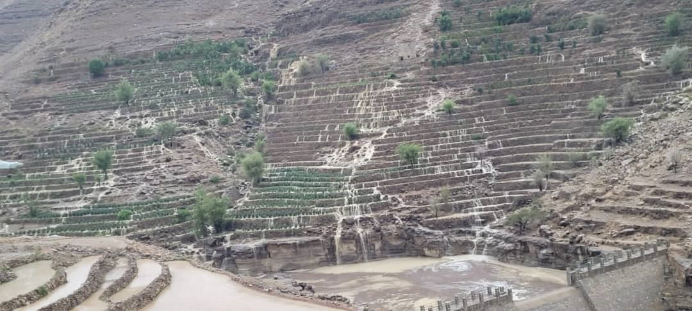
Photo 1.1 - Check Dam with Permeable Bed
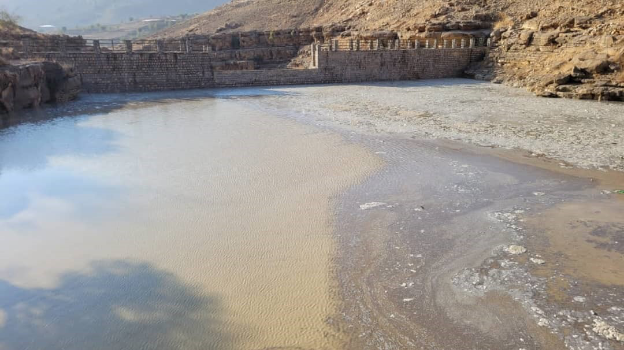
Photo 1.2 - Rooftop Rainwater Harvesting
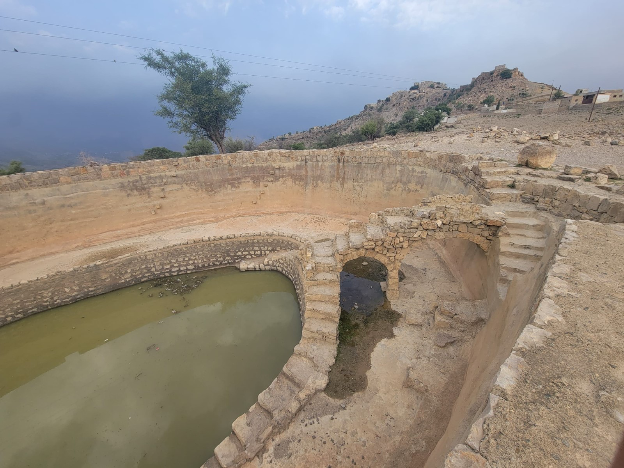
Photo 1.3 - Traditional Stone Cistern / Birkah
How does it help conserve and manage water resources?
The harvested water directly sustains regional agriculture—from high-value cash crops like grapes and coffee on terraced slopes to highly resilient, drought-tolerant species like almond trees. Almond trees, in particular, rely almost entirely on seasonal rain and underground moisture retained by these conservation structures, requiring minimal extra irrigation.
Simultaneously, household rooftop collection and community cisterns divert non-potable water usage (such as livestock watering, cleaning, and construction) away from precious drinking water sources, creating a balanced and sustainable water budget for the entire community.
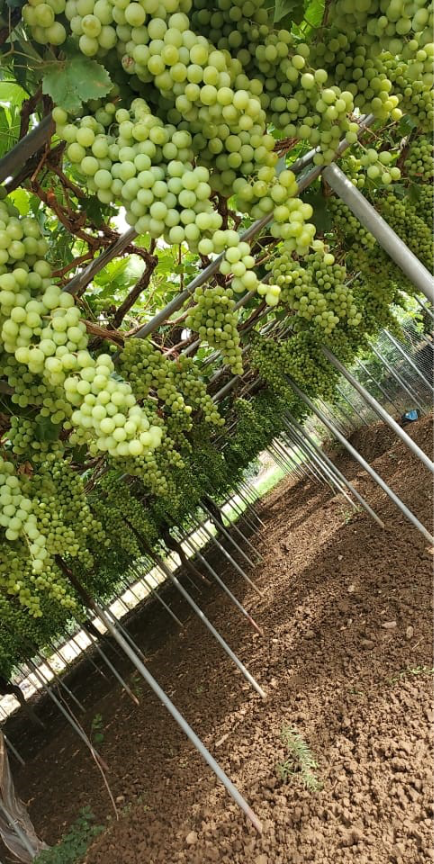
Photo 2.1 - Agricultural Impact - Grape Cultivation: High-yield grape vineyards thriving on efficient land-water management and sustained soil moisture
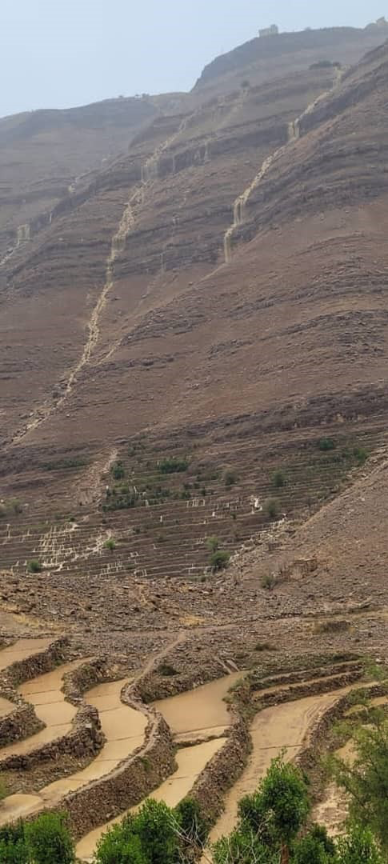
Photo 2.2 - Terraced Mountain Runoff: Mountain terraces directing rainfall streams into storage basins, preventing soil erosion while watering agricultural slopes.
What message would you like to share with people around the world about valuing traditional knowledge and adopting sustainable water-use practices in their own communities?
"Traditional water management knowledge is not merely history; it is a vital blueprint for our modern climate adaptation. Long before modern infrastructure, vulnerable communities harmonized with their local ecosystems to survive extreme arid conditions through decentralization and respect for nature.
My message to the world is to look back at indigenous practices with deep respect and innovation. True water stewardship begins at the local level—by capturing what nature provides, protecting our soil, and ensuring that no drop is wasted. By blending ancient ecological wisdom with proactive community action, every community worldwide can build resilience against climate change and secure water for generations to come."
Share
Aug 27, 2026
GEAF Ambassador Gashaw Addisie, shares insights from community-led initiatives ensuring lasting conservation and ecosystem protection
Aug 20, 2026
Coastal community members in Gabura Union, Bangladesh, are taking steps to conserve and strengthen their ecosystems, to adapt to growing climate challenges.